
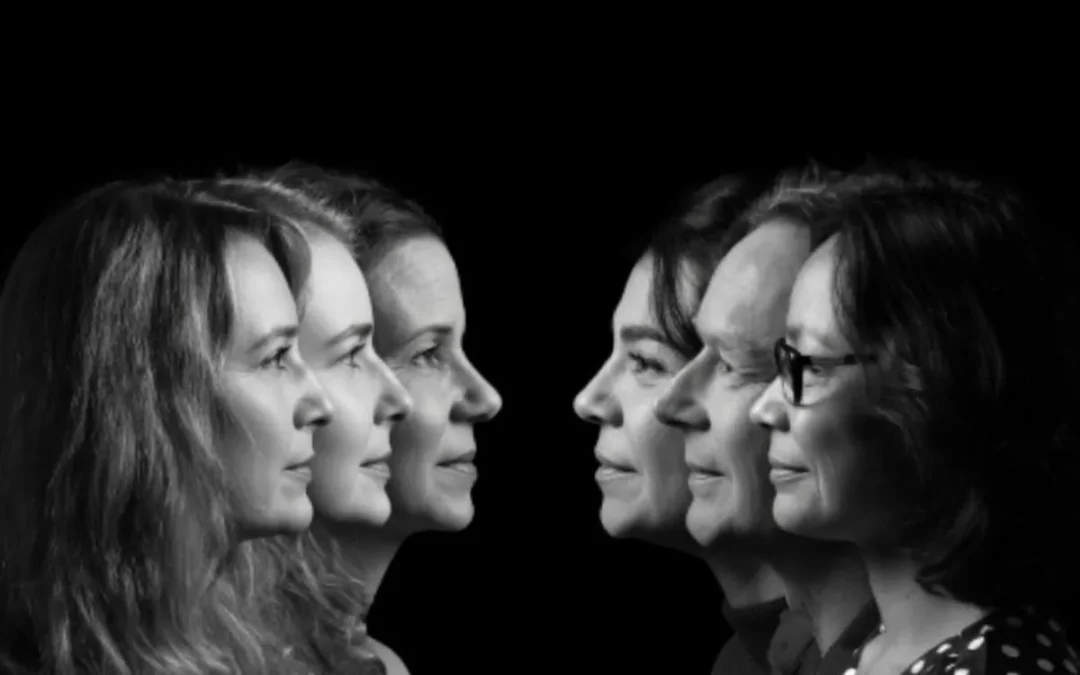
Blended families, which often include stepchildren, biological children, and children from new marriages, present unique estate planning challenges. Without careful structuring, unintended consequences can arise. Ensuring fairness, preventing disputes, and protecting the financial well-being of all family members requires thoughtful planning.
Defining fairness in inheritance
Determining what is fair in estate planning for blended families can be complex. For example, a new marriage in which one spouse has significantly more wealth than the other requires careful estate planning, especially when a family business or property is involved. Addressing these differences upfront can prevent conflicts and ensure that assets are distributed according to your intentions. Fairness should reflect each family’s unique circumstances and values.
Risks associated with blended families
Even when both spouses intend to treat biological and stepchildren equally, there is no certainty that this will be honoured without proper legal safeguards. In our experience, this rarely happens as planned.
Common risks include accidental disinheritance and unintended asset distribution as illustrated by the three examples below
1. The Danger of Joint Wills
Joint Wills are generally not recommended, but this is especially true for blended families. Despite explicit intentions for all children to benefit equally, several risks exist:
-
- If one spouse dies first, the entire estate typically passes to the surviving spouse. The joint Will gets lodged with the Master of the High Court and remains there until the death of the surviving spouse. This means that there is a real risk of it being misplaced which will only be discovered on the last dying. The surviving spouse will pass away intestate.
-
- When intestacy occurs, only the biological children of the surviving spouse inherit, potentially disinheriting stepchildren.
2. Risk of changing Wills over time
Even if spouses initially agree to divide their estate fairly, circumstances can change. Relationships evolve, financial situations shift, and a surviving spouse may later amend the Will to exclude stepchildren. Without legal mechanisms in place, the original agreement may not be honoured.
3. Divorce orders
A significant risk for a blended family is that the first spouse, as stated in the divorce order, may have a claim against the deceased estate, pension fund or retirement annuity. Divorce orders are often overlooked, only coming to light upon death. This can result in the Will’s provisions not being fulfilled if a substantial portion of the estate is claimed by an ex-spouse, leaving insufficient assets for the new surviving spouse and other intended beneficiaries.
Considerations for blended families
Blended families must carefully structure their estate plans to protect all loved ones and minimise potential disputes. Consider the following strategies:
1. Structuring inheritance fairly
Clearly define how assets should be distributed among children from previous and current relationships. Engage in open discussions with your spouse to ensure alignment and prevent future conflicts.
2. Utilising Testamentary Trusts
Estate plans should balance the financial needs of a surviving spouse with the inheritance rights of children. A testamentary trust can:
-
- allow a surviving spouse to benefit from the estate during their lifetime while ensuring that remaining assets pass to the intended beneficiaries.
-
- Ensure stepchildren and biological children receive their designated shares.
-
- Prevent a surviving spouse from redirecting assets away from intended beneficiaries.
-
- Protect inheritances for minor children and dependents with special needs.
3. Regularly updating your Estate Plan
Outdated estate documents can lead to unintended inheritances. Regularly review and update Wills, trusts, insurance policies, and retirement funds to ensure that they align with your current family structures and wishes
Properly coordinating these elements helps prevent discrepancies in asset distribution and minimises confusion. Additionally, a well-structured estate plan can lead to significant cost savings when managed efficiently.
Consider drafting a Letter of Wishes to provide guidance to your beneficiaries, spouse, or children. This document can help explain your reasoning behind specific bequests and inheritance decisions, offering clarity and reducing potential disputes.
4. Planning for sentimental assets
Clearly outline who should inherit sentimental items such as jewellery, artwork, or family heirlooms. This helps prevent emotional disputes and preserves family harmony. For example, a daughter who anticipates inheriting her grandmother’s wedding ring would be devastated to see it passed to her stepmother instead after her father’s passing, feeling as though a cherished piece of her family history has been lost.
Ensuring long-term family harmony
Estate planning for blended families requires ongoing adjustments. Regular reviews help ensure that estate plans align with current wishes and family circumstances.
By incorporating trusts, updating legal documents, and fostering open communication, blended families can successfully navigate estate planning challenges.
Disclaimer
The opinions expressed in this article are those of the author and do not necessarily reflect the views of Stone Wealth Management. The content is provided for general information purposes only and should not be construed as advice. Readers should seek appropriate professional advice before acting on any information or opinions expressed.